A revolution in general aviation?
Big words, little man!
One could reasonably say.
But I mean, it’s been a LOOOONNNGG time since something really revolutionary, something disruptive, happened in general aviation. So this idea — basically making one airplane and one system, designed for mass production, in other words a scalable civilian aircraft that can open up flight to the mass market, with a scalable tech airstrip installation — like the McDonald’s of flight, except instead of a burger assembly line in the city, you use tech to offer drive-up-and-fly in the country. But it’s the same principle of a new model that unlocks a huge unserved market.
OK so not a revolution… You’re the next McDonald’s.
OK I can’t win.
Forget all that. Here’s the way looking at aviation history, as I see it, has determined that this idea’s time has come.
Flying in America started out as all fun and joy, the entrepreneurial spirit of adventure, before rules and war took things in a completely different direction.
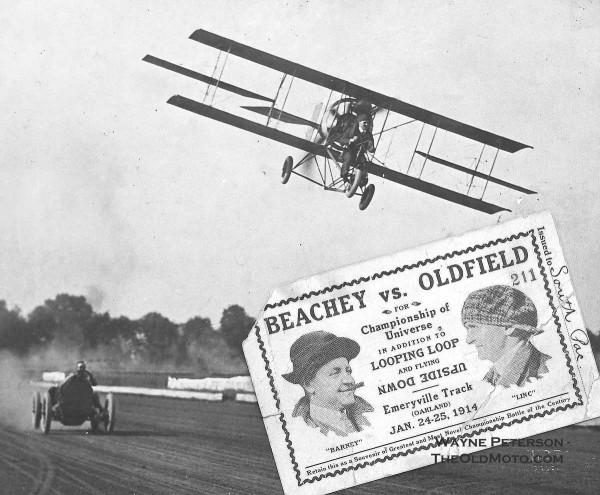
Flying in America actually matured, after a stint of rapid technological progress because of war, into pilots flying around in fun little planes low to the ground, landing in a field near some town USA, and giving the townsfolk fun-ass joyrides — not a bad way to make a living. Say, the “youth” of flight culture, the tech and the people, born and raised in America.
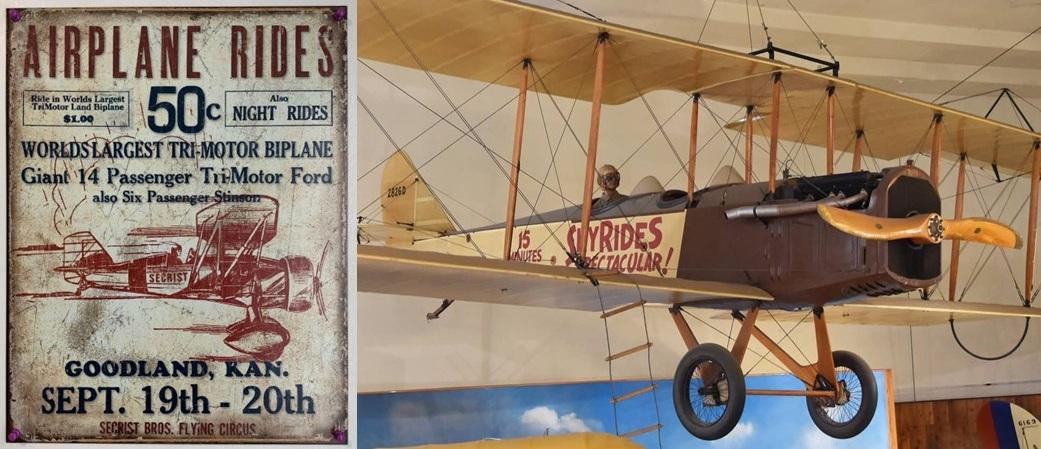
Of course these things were made out of wood and cloth, as the petroleum age had yet to yield the advanced materials we all take for granted today. And the US was starting to get its act together to regulate the safety of products generally. Which had to be done: like in food and medicine, shoddy work and unscrupulous actors could result in terrifying and untimely customer death.

In the case of flight, the complex system of constraints and regulations enabled the whole GA system, which today allows a relatively large number of people — considering we’re talking about humans being able to fly — to take wing, as it were. But still, compared to the general population, that used to be able to roll up on a picnic and get in the sky for 15 minutes for like 10 cents, personal flight is by and large a non-starter for the average American.
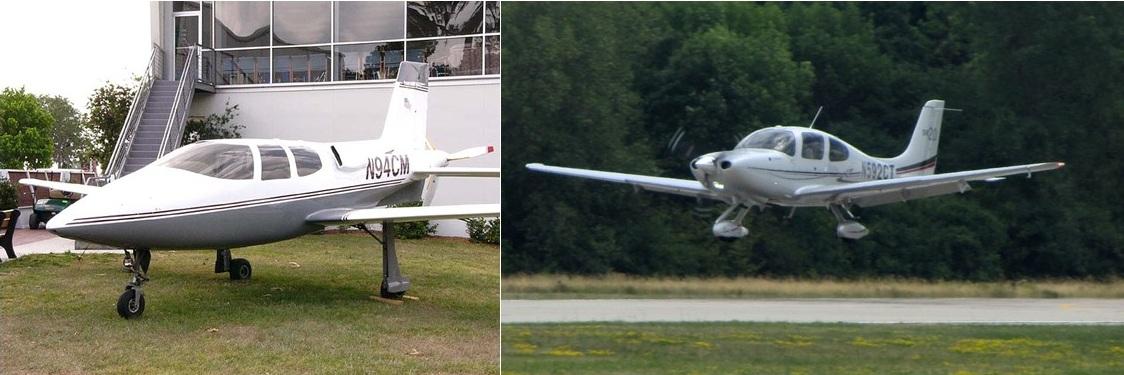
So that’s where civilian aircraft design went. Very limited access, because of the expense and complexity, forcing a shift in focus from the freedom birds feel, to the freedom of their ability to go wherever they want, whenever they want.
Since that was the case, once there’s a basic model that works well enough, as the planes and procedures of the GA world became, there’s no real need or incentive to change the original designs really… They work. Their designers had free run to optimize designs, because the technology had just become available, and no one else had really thought about it yet. And they were very, very good. They didn’t leave a lot of room for improvement.
New milestones went to the military, where higher, harder, faster is the order of the day. Some of the coolest and most amazing STEM over decades, heroic stories in a golden age for America — but other than vicarious living or vivid imaginations, it completely left the ordinary folks behind.
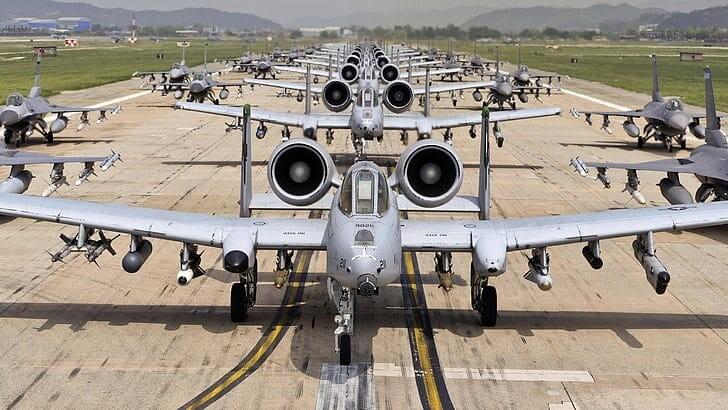
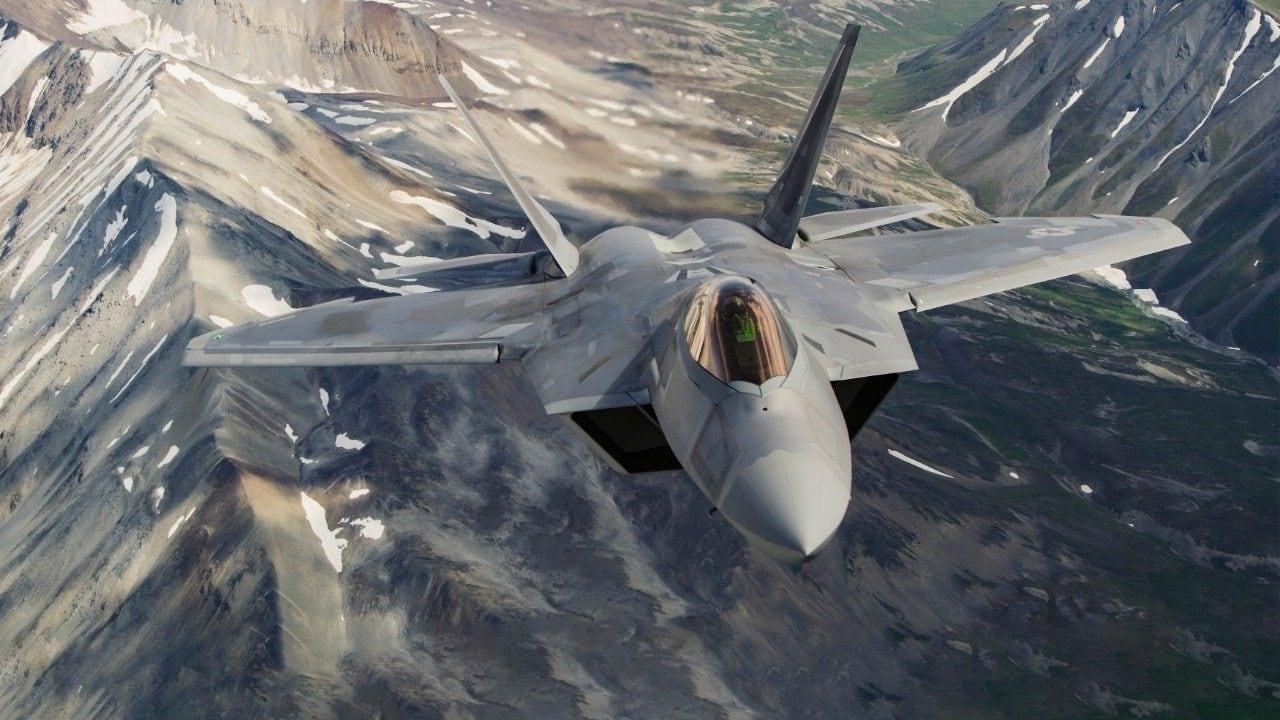
Of course, the technology we enjoy in society today — much of it got started in those defense labs and airfields, in order to keep aircraft pushing the limits, in order to protect the freedom and prosperity of the West. And just like when the technology of flight was invented at the dawn of the petroleum age, we are in another moment where the technology is suddenly and massively here — though this time it’s computation, materials science, autonomy and AI, not mining engineering and internal combustion as it was for the Wright brothers.
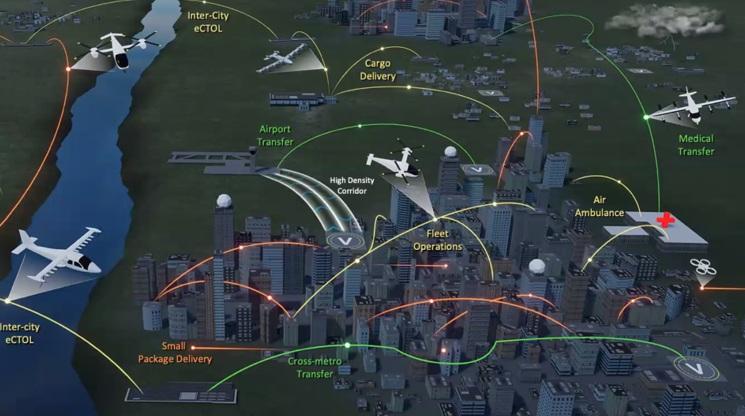
One highly anticipated manifestation of this technological turning point is Urban Air Mobility: your Joby’s, your Archer’s. It’s a specific kind of mission… there’s a reason all of their new aircraft designs combine very similar elements.
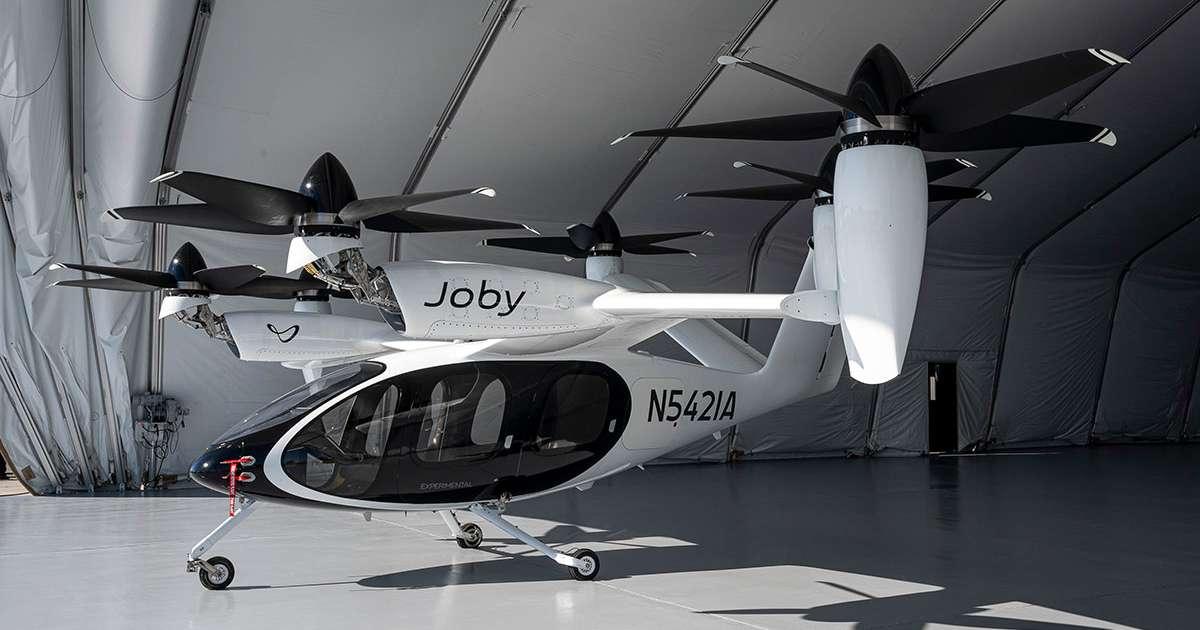
If UAM — zipping people around and between cities and suburbs with no trained pilot on board — is possible, and not just possible but in process of what everyone assumes will be scaled deployment with complete regulations and tested systems in place… then it has to be said that our SkyPark idea, if pursued, would be on a similar trajectory, similar timeline, with different looking aircraft built for a different mission, but of the same quality, durability, electrification, low-cost maintenance, and digital safety redundancies. (P.S. I know what I think the SkyPark aircraft should look like… but what do YOU think they should look like? Hit us up with your thoughts and ideas if you want!)
“Just as a thought experiment: the first step is to decide on a mission, then decide accordingly. Our mission is simple: maximum fun, zero injury accidents. No point A to point B needed.”
So the plane doesn’t need to be particularly fast, or go high or far. Opens up a lot of engineering bandwidth to be fun and safe, where you used to have to add weight and complexity in order to push the envelope for speed, altitude, and comfort. Not at a SkyPark. At the same time, batteries, computers, electric motors all got lighter and more powerful. Like in a big way… and fast. Meanwhile massive investment in tech systems built for safe autonomy are coming online.
There’s a lot of overlap with UAM: an airpark is just a vertiport in the middle of nowhere, with no obstacles and no other traffic. Just fun. Not transportation. So there’s a lot of off-the-shelf tech that can speed things up. To prove something like this is safe, where any error is likely to be an injury or fatality, you need to run it for a LOONNGG time error-free with no humans aboard. Which is why, with your help, we can get that started. Let’s get that clock ticking!
